
How to Use Essential Oils
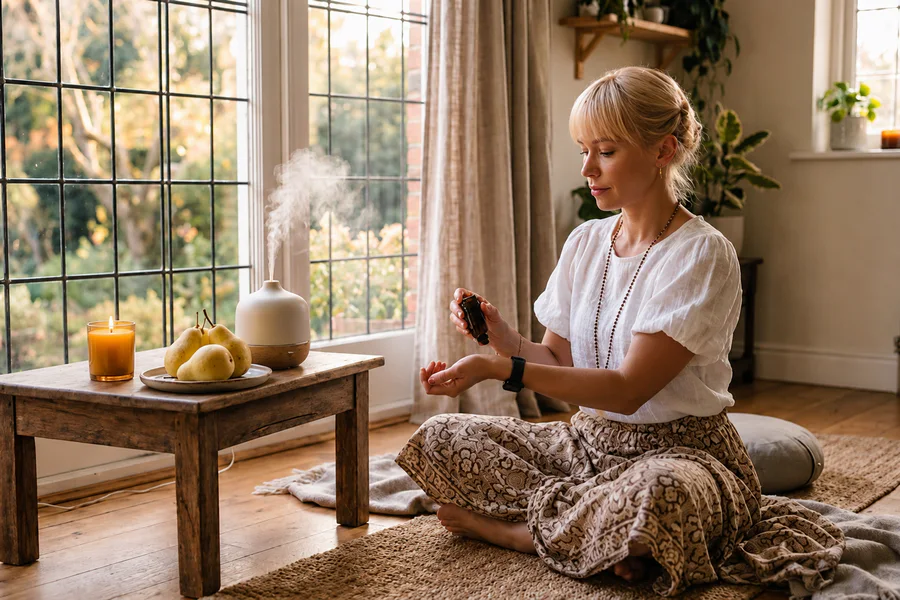
Essential oils are not simply pretty bottles on a shelf. They are living concentrates of nature. When used correctly, they work on every level at once: physical, emotional, and energetic.
I know this from personal experience. That is why I want to be clear from the start: everything below applies exclusively to pure, natural essential oils. Synthetic alternatives from pharmacies and supermarkets simply do not deliver results. In fact, they can sometimes cause harm. For guidance on choosing a genuine product, read our article How to Choose Essential Oils.
Types of Essential Oils: What Is the Difference
When I first started working with essential oils, the range felt overwhelming. And honestly — without an aromatherapist’s guidance, it really is. That is why I always recommend starting with aroma diagnosis. This is a method through which the body signals, via its response to scent, which oils it needs right now. The body knows. We just need to learn how to listen.
In aromatherapy, essential oils fall into two categories. The first is therapeutic grade. These have passed multi-stage independent testing and are approved for internal use. The second is pure essential oils without therapeutic grade certification. These are for external use and inhalation only.
It is also worth understanding the term carrier oil. This is a cold-pressed food-grade oil used to dilute concentrated essential oils before applying them to skin. For example, coconut, olive, avocado, and grapeseed oil are all popular choices. Each has its own properties and blends beautifully with essential oils.
Additionally, in professional aromatherapy, essential oils are grouped into seven categories: spicy, camphoraceous, citrus, coniferous, masculine, feminine, and sacred. This is more than just a classification system. Choosing an oil from a particular group is always a clue. It points to which inner blocks, beliefs, or physical needs are asking for attention right now.
Four Ways to Use Essential Oils
There are four primary methods of working with essential oils in aromatherapy.
- Internal use.
For therapeutic grade essential oils only — this matters. They can be added to water, honey, salt, or cream. Alternatively, blend them with a carrier oil. In exceptional cases, undiluted use is permitted. However, this should only happen under the guidance of a qualified specialist.
- Topical application.
Apply to active points on the body: wrists, the heart area, soles of the feet, along the spine. Most essential oils must be diluted in a carrier oil before skin contact. This is not just a safety measure. It also amplifies the effect, because the carrier oil helps the essential oil penetrate deeper into the tissues.
- Inhalation.
This is one of my favourite methods — quick, accessible, and remarkably effective. Place a drop on your palms, cup them over your nose and mouth, and take several slow, conscious breaths. Additionally, oil diffusers and aroma lamps create the right atmosphere in a space. They are especially wonderful during meditation or spiritual practice.
- Aromatic baths.
Soaking in warm water infused with essential oils is a ritual I deeply love. However, there is an important detail: essential oils do not dissolve in water. Added directly, they form concentrated pools on the surface that can irritate the skin. Therefore, always blend the oil with an emulsifier first — sea salt, cream, or a carrier oil. Then add it to the bath. As a result, the oil disperses evenly and absorbs gently through the skin and lungs.
Essential Oil Safety Rules
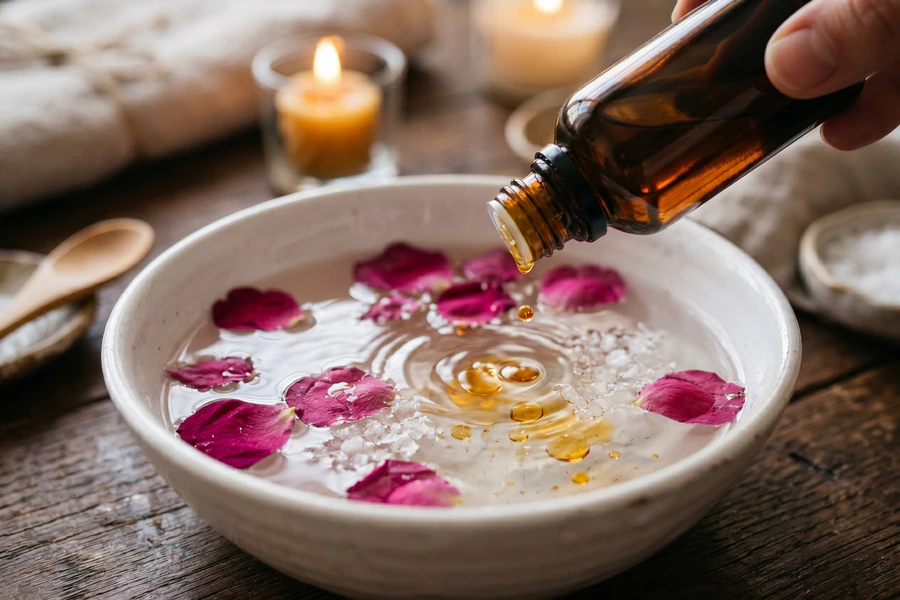
Essential oils are concentrates. Behind a single drop lies the power of several kilograms of plant material. Therefore, mindful use is not just caution — it is respect for the tool.
Do not apply undiluted oils directly to skin. Direct contact can trigger sensitisation — a heightened immune response that may become encoded in the body’s memory long-term. When trying a new oil, always do a patch test first. At the first sign of a reaction — stop and consult a specialist.
Avoid contact with eyes and mucous membranes. Essential oils can have a beneficial effect on vision through relaxation of the eye muscles and improved circulation. However, direct contact with the eye’s mucous membrane means an instant chemical burn or acute allergic reaction. Do not risk it.
Be aware of phototoxicity. All citrus oils — with the exception of green mandarin — are phototoxic. For example, sun exposure after application can cause burns ranging from mild redness to blistering. Therefore, apply these oils at least 15 minutes before going outside, or only to covered areas of skin.
Respect the dosage. More is not better when it comes to essential oils. Children and elderly people can use essential oils. However, the concentration should be significantly lower than for a healthy adult.
High-risk groups. Pregnancy, chronic illness, asthma, epilepsy, and cancer all require specialist consultation before use. Both the choice of oil and its concentration are critically important in these situations.
Store your oils correctly. Dark glass, tightly sealed, away from sunlight and heat. A rancid smell is a clear signal: the oil has oxidised and belongs in the bin.
Keep away from children and pets. Essential oils in high concentrations can be toxic. Furthermore, treat your essential oil collection as the valuable toolkit it is — and store it accordingly.
Exercise care with internal use. Therapeutic grade only. It is generally recommended to dilute essential oils in companion substances: carrier oil, water, honey, salt, or cream.
Use essential oils correctly — and they will become your trusted ally on the path to health, balance, and inner harmony.
Related Posts
The hidden power of essential oils: aromatherapy as a path to inner harmony
In a world where people increasingly seek answers within themselves, essential oils are becoming not…
Aromatherapy: An Ancient Practice of Self-Discovery and Healing Through Essential Oils
Aromatherapy is not simply a wellness trend — it is an ancient healing practice tested…

How Essential Oils Are Made: From Field to Bottle
The essential oil market is vast — from cheap options in drugstores to bottles with…