
Gut Microbiome: What It Is, Why You Need It, and How to Restore It After Stress and Antibiotics
Contents
- Introduction
- What Is the Gut Microbiome
- What the Microbiome Does for the Body
- What Damages the Microbiome
- Symptoms of Dysbiosis: How to Tell If Your Microbiome Is Disrupted
- How to Restore the Microbiome
- Conclusion
Introduction
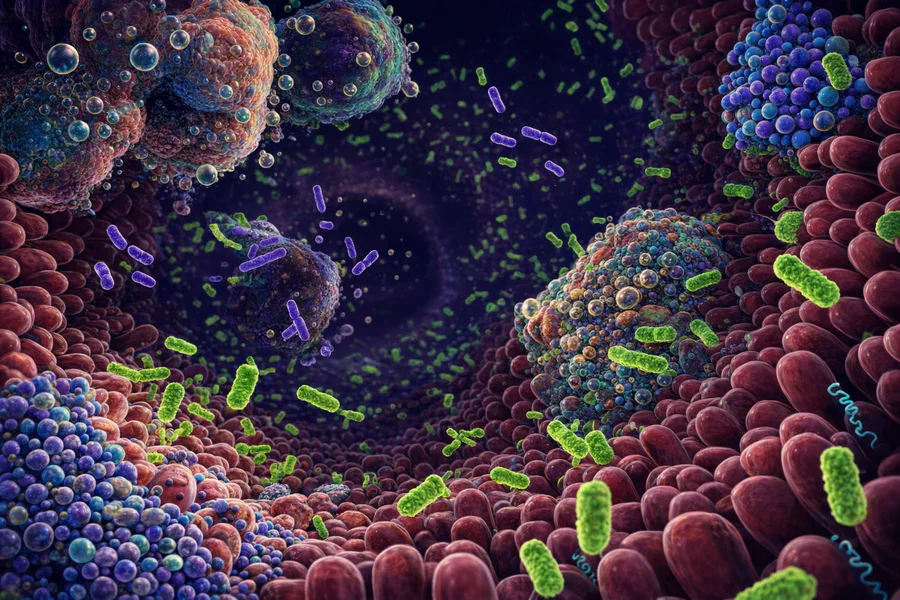
A separate universe lives inside every human being. Trillions of microorganisms — bacteria, viruses, and fungi — inhabit the gut and form a complex ecosystem. Scientists call this ecosystem the microbiome. In terms of gene count, it is 150 times larger than the human genome itself.
For a long time, the microbiome was considered something secondary — just bacteria in the gut. Today, researchers describe it as a virtual organ. It influences immunity, body weight, hormone balance, sleep quality, energy levels, and even how we respond to stress. When the microbiome falls out of balance, a chain of consequences follows. Medicine spent decades treating these consequences symptomatically, without understanding the real cause.
This article explains what the microbiome is, why its health shapes the health of the entire body, and what actually works to restore it.
What Is the Gut Microbiome
The gut microbiome is the collection of all microorganisms living in the gastrointestinal tract, along with their genetic material. In scientific literature, you will often see the term “microbiota,” which refers to the organisms themselves. “Microbiome” technically refers to their genes. In practice, however, both terms are used interchangeably.
The adult human gut is home to between 100 and 400 trillion microorganisms. Together, they weigh approximately 1.5 to 2 kilograms. Most of them live in the large intestine, where a low-oxygen environment supports the anaerobic bacteria that make up the core of the microbiota.
Microbiome Composition
A healthy microbiome includes more than a thousand bacterial species, though each individual typically carries around 160. Two dominant types — Firmicutes and Bacteroidetes — account for roughly 90% of the total microbiota. The rest includes Actinobacteria, Proteobacteria, and others.
Every person’s microbiome is unique, much like a fingerprint. The PREDICT twin study found that even identical twins share only about 34% of their microbial species. This means that genetics account for just part of the microbiome’s composition. The rest is shaped by diet, lifestyle, environment, and medications.
When the Microbiome Forms
The first colonization happens at birth. In vaginal deliveries, the baby receives microbiota from the mother’s birth canal — primarily Lactobacillus and Bifidobacterium. In cesarean sections, bacteria from the skin and hospital environment are the first to colonize. This results in a less favorable starting composition. Breastfeeding further enriches the microbiome through human milk oligosaccharides — compounds that specifically feed beneficial bacteria.
By age three, the microbiome reaches a composition close to that of an adult. It then remains relatively stable throughout life, provided no major disruptions occur. After age 70, microbial diversity generally declines. Notably, the gut microbiome of centenarians over 90 is often comparable to that of a healthy 30-year-old — a consistent finding in longevity research.
What the Microbiome Does for the Body
The microbiome performs functions the body cannot carry out on its own. It is an active participant in metabolism, immunity, hormonal regulation, and neurochemistry.
Digestion and Nutrient Production
The human body cannot digest complex carbohydrates and dietary fiber on its own. Gut bacteria do this instead. They break down fiber into short-chain fatty acids, known as SCFAs. The most important ones are butyrate, propionate, and acetate.
Butyrate is the primary energy source for intestinal epithelial cells. It supports the integrity of the gut lining, reduces inflammation, and has anti-tumor properties. Propionate travels to the liver and helps regulate blood glucose levels. Acetate is the most abundant SCFA. It influences appetite and is used as an energy source by peripheral tissues. For a deeper look at how cells produce and use energy, see the article “The Cell’s Energy Source: How Your Body Works From the Inside Out”.
In addition to SCFAs, the microbiome synthesizes B vitamins (B1, B2, B3, B5, B6, B9, B12) and vitamin K. Without gut bacteria, these nutrients would not be produced in adequate amounts. The microbiota also participates in bile acid metabolism, which is essential for fat digestion.
The Immune System
Housing up to 80% of the body’s immune cells, the gut is the largest immune organ in the body. This makes sense, since the gut is the main entry point for potentially harmful substances. A healthy microbiome trains the immune system to distinguish beneficial bacteria from pathogens. It also prevents allergic and autoimmune reactions, and competes with harmful microorganisms for nutrients and space.
When microbiome balance is disrupted, the immune system loses this calibration. Chronic inflammation begins, and vulnerability to infections increases.
Hormonal and Endocrine Regulation
The gut is the largest endocrine organ in the body. Enteroendocrine cells in the intestinal lining produce hormones that regulate appetite, blood sugar, and metabolism. The microbiome interacts directly with these cells.
In particular, gut bacteria influence the production of GLP-1 and PYY — satiety hormones that signal the brain when the body is full. Disruption of the microbiome is linked to insulin resistance, obesity, and metabolic syndrome.
What Damages the Microbiome
The microbiome is remarkably adaptable. It can change in response to various inputs, sometimes within just a few days. This is good news, because it means recovery is possible. However, it is equally important to understand what causes damage in the first place.
Antibiotics
Antibiotics are the most powerful disruptors of the microbiome known to science. They eliminate not only pathogenic bacteria, but beneficial ones as well. Broad-spectrum antibiotics can reduce microbial diversity by 25% within a week and cut the number of key species from 29 to 12.
What is particularly concerning is that the effects can last for years. Research shows that after a course of clarithromycin, the diversity of Actinobacteria failed to recover in some patients for up to four years. Clindamycin suppressed Bacteroides populations for up to two years following a single week of use.
This does not mean antibiotics should be avoided — they save lives. However, using them without genuine medical need, or without supporting the microbiome afterward, carries a real cost.
Diet
Diet is the most significant daily factor shaping microbiome composition. A diet high in sugar and saturated fat reduces bacterial diversity and promotes the growth of pro-inflammatory species. Ultra-processed foods — containing emulsifiers, artificial sweeteners, and preservatives — can disrupt the intestinal mucus layer and alter the microbiome even with short-term consumption.
Insufficient fiber is a separate problem. Without it, butyrate-producing bacteria have no substrate to work with. In mouse studies, four weeks on a low-fiber diet led to a 60% loss of species diversity. When the diet was continued, those changes became irreversible within one generation.
Chronic Stress
Stress affects the microbiome through several mechanisms at once. It alters gut motility, disrupts intestinal barrier permeability, changes mucus composition, and redirects blood flow. Under chronic stress, levels of Lactobacillus and Bifidobacterium decline — precisely the species that produce serotonin and protect the gut lining.
For a detailed look at how chronic stress affects the body at a physiological level, see the article “Chronic Stress: Symptoms, Consequences, and How to Restore Your Body.”
Sleep Deprivation and Disrupted Circadian Rhythms
The microbiome operates on a daily rhythm. The composition and activity of gut bacteria shift throughout the day in sync with the body’s circadian clock. When this rhythm is disrupted — through chronic sleep deprivation, night shifts, or jet lag — the microbiota becomes disoriented and less diverse.
Other Factors
Proton pump inhibitors (heartburn medications) alter stomach acidity, creating conditions that allow undesirable bacteria to colonize the gut. Alcohol disrupts the intestinal barrier and increases pro-inflammatory endotoxins. A sedentary lifestyle reduces microbial diversity — physically active people consistently show richer and more resilient microbiomes.
| Damages the Microbiome | Restores the Microbiome |
| Antibiotics (especially broad-spectrum) | Fermented foods (kefir, sauerkraut) |
| Ultra-processed foods | Diverse fiber (vegetables, fruits, legumes, whole grains) |
| High-sugar diet | Prebiotics (inulin, garlic, onion, Jerusalem artichoke) |
| Chronic stress | Stress management (breathing, meditation, movement) |
| Sleep deprivation and disrupted circadian rhythms | Regular sleep at consistent times |
| Alcohol | Polyphenols (berries, green tea, olive oil) |
| Proton pump inhibitors | Intermittent fasting and meal gaps |
| Sedentary lifestyle | Regular physical activity |
Symptoms of Dysbiosis: How to Tell If Your Microbiome Is Disrupted
Dysbiosis refers to an imbalance in the microbiota. It involves a decline in beneficial bacterial diversity, an overgrowth of opportunistic species, and a loss of ecosystem stability. What makes dysbiosis difficult to recognize is that it rarely shows up as a single obvious symptom. Instead, it typically appears as a cluster of vague, overlapping conditions — each one seemingly minor on its own.
Digestive Symptoms
These are the most obvious signals. Bloating, excess gas, irregular bowel movements — constipation, diarrhea, or alternating between the two — heaviness after meals, and heartburn are all common signs. Irritable bowel syndrome is linked to dysbiosis in the majority of cases. Changes in microbiota composition disrupt gut motility and increase sensitivity of the intestinal wall.
Immune Symptoms
Frequent colds and infections, slow recovery after illness, worsening allergies, or the development of new food intolerances — all of these may point to weakened gut immunity. Inflammatory skin reactions such as acne, eczema, and psoriasis also frequently have a gut origin.
Metabolic Symptoms
Unexplained weight gain or difficulty losing weight despite a controlled diet, persistent sugar cravings, unstable blood sugar, and chronic fatigue without an obvious cause — these are all connected to disrupted microbiome function. Specifically, they reflect impaired regulation of metabolism and satiety hormones.
Neurological and Psychological Symptoms
Anxiety, low mood, irritability, sleep disturbances, brain fog, and reduced concentration and memory — these symptoms are rarely associated with the gut. Nevertheless, they are directly connected to the state of the gut-brain axis. In dysbiosis, the synthesis of serotonin and other neurotransmitters is impaired. This affects emotional wellbeing and cognitive function.
| Body System | Dysbiosis Symptoms |
| Digestive | Bloating, gas, irregular stools, heartburn, heaviness after meals |
| Immune | Frequent illness, allergies, food intolerances, skin inflammation |
| Metabolic | Weight gain, sugar cravings, chronic fatigue, unstable blood sugar |
| Neurological and Psychological | Anxiety, low mood, brain fog, sleep problems, poor concentration |
| Hormonal | Irregular cycles in women, low libido, mood swings |
It is important to note that one or two of these symptoms on their own do not indicate dysbiosis. However, if several appear together and persist for weeks, that is a signal worth taking seriously.
How to Restore the Microbiome
The microbiome can recover — this is one of its defining characteristics. Even after a course of antibiotics or a prolonged period of poor diet, the right steps can initiate recovery. The speed and completeness of that recovery depend on the starting condition, how long the disruption lasted, and how consistently the approach is followed.
There is no single product or supplement that will restore the microbiome in a week. This is systemic work that involves diet, sleep, stress levels, and lifestyle as a whole.
Diet as the Foundation
Plant diversity is the most important driver of microbiome recovery. Research shows that people who eat more than 30 different plant foods per week have significantly richer and more resilient microbiomes than those who eat 10 or fewer.
Fiber is the primary food source for beneficial bacteria. Different bacterial species prefer different types of fiber, so variety matters more than quantity alone. Vegetables, fruits, legumes, whole grains, nuts, and seeds all provide distinct substrates for different microbial communities.
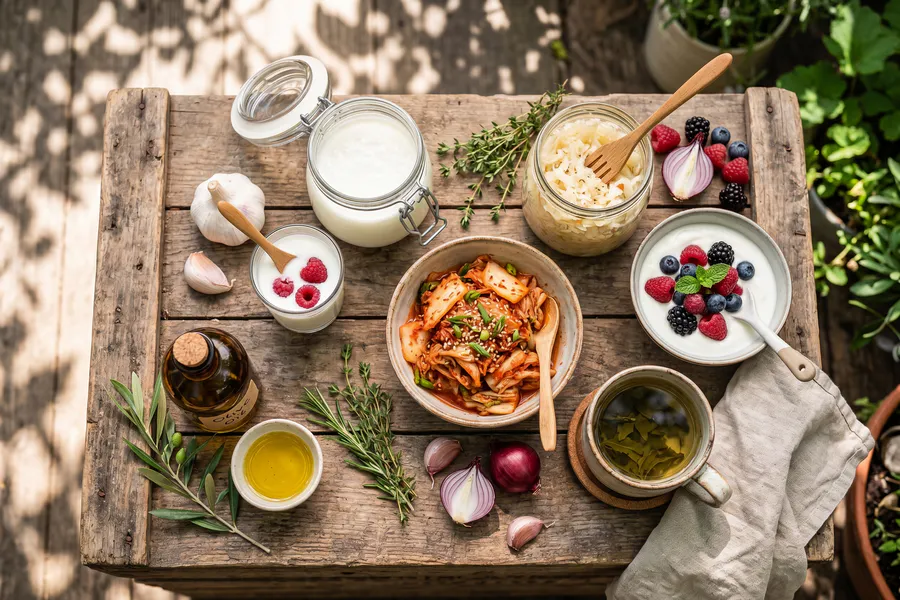
Fermented foods — including kefir, natural yogurt, sauerkraut, kimchi, and miso — contain live bacteria that temporarily enrich the microbiome and support the environment for resident species to thrive. A Stanford University study found that a diet high in fermented foods increased microbiome diversity and reduced markers of inflammation within 10 weeks.
Polyphenols — bioactive compounds found in berries, green tea, olive oil, dark chocolate, and red wine — act as prebiotics for beneficial bacteria. They also inhibit the growth of pathogenic species. Most polyphenols are not absorbed in the small intestine. Instead, they reach the large intestine intact, where they become food for the microbiota.
For guidance on building a diet that supports gut health, see the article “Eating for Your Dosha: Gut Health and Digestion Through Ayurveda.”
Probiotics and Prebiotics
Probiotics are live microorganisms that provide health benefits when consumed in sufficient amounts. They do not replace the existing microbiota. Instead, they temporarily enrich it, compete with pathogens, and produce beneficial metabolites.
Prebiotics are non-digestible compounds that feed beneficial bacteria. Inulin, fructooligosaccharides (FOS), and galactooligosaccharides are found in garlic, onions, Jerusalem artichokes, asparagus, bananas, and chicory. Without prebiotics, probiotics are significantly less effective — the bacteria simply lack a nutritional environment in which to thrive.
Synbiotics — combinations of probiotics and prebiotics — tend to deliver the best results, since they provide both the bacteria and their food source simultaneously.
| Probiotics | Prebiotics | |
| What they are | Live beneficial bacteria | Food for beneficial bacteria |
| Food sources | Kefir, yogurt, sauerkraut, kimchi, miso, tempeh | Garlic, onion, Jerusalem artichoke, asparagus, bananas, chicory, oats |
| How they work | Temporarily enrich the microbiome, compete with pathogens | Stimulate the growth of resident beneficial bacteria |
| When most needed | After antibiotics, during dysbiosis, under stress | Consistently — as a foundation of microbiome nutrition |
| In supplements | Lactobacillus, Bifidobacterium, and other strains | Inulin, FOS, GOS |
Managing Stress
Without addressing chronic stress, microbiome recovery will remain incomplete. Stress will continue to undo what diet is trying to build. Regular physical activity, breathing practices, meditation, and adequate sleep all directly influence microbiota composition through the gut-brain axis.
Yoga combines movement, breathwork, and nervous system regulation — making it one of the most comprehensive tools for supporting both the gut and the body as a whole. At the Vedic Knowledge Club, we recognize that the body recovers through a holistic approach. We offer online yoga classes, meditation, detox programs, and retreats — everything you need to find your inner resource, support your body, and reconnect with yourself.
Detox as Support
Toxin buildup in the gut places additional strain on the microbiome. Gentle cleansing programs help create an environment in which beneficial bacteria can recover more easily. For more on this approach, see the article “Detox: a scientific approach to cleansing the body.”
Important to Know
Antibiotics require a dedicated recovery period afterward. It is recommended to start taking probiotics a few hours after each antibiotic dose — not simultaneously, since the antibiotic will destroy them as well. After completing a course, the recovery period typically lasts from several weeks to several months. The duration depends on the specific antibiotic and the person’s baseline microbiome health.
During this period, fermented foods, diverse fiber, and the elimination of sugar are especially important. Sugar creates an environment that favors the growth of yeast and pathogenic bacteria, which actively colonize the vacated niches left behind by antibiotic therapy.
Conclusion
Perhaps the most striking thing about microbiome science is that it keeps bringing us back to the obvious. Diverse food, movement, sleep, and less stress. People knew this intuitively long before DNA sequencing and metagenomic analysis existed.
Science simply explained the mechanism. And it added something new: what happens in the gut turns out to shape far more than we once assumed — mood, immunity, body weight, and mental clarity. Understanding how our body works changes not just how we eat, but how we relate to ourselves.
This article is for informational purposes only and does not replace consultation with a gastroenterologist or physician. If you experience symptoms of dysbiosis, irritable bowel syndrome, or have recently completed a course of antibiotics, please consult a healthcare professional.